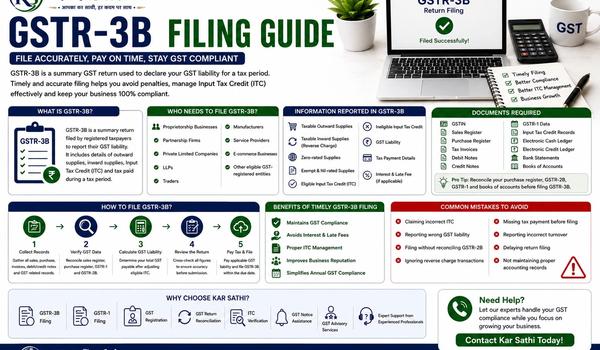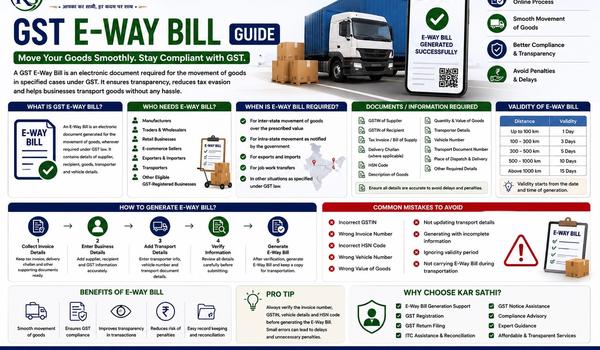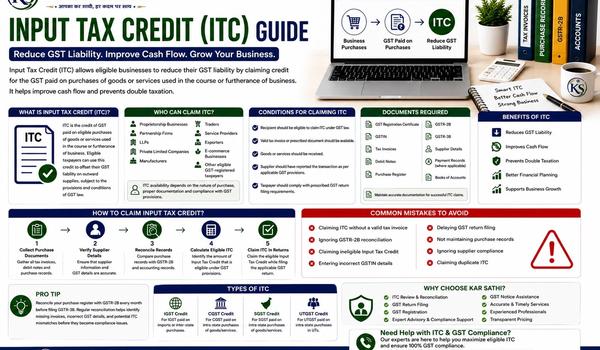
Starting a business often requires GST registration, but there may come a time when keeping the registration is no longer necessary. If a business has closed, its turnover has fallen below the applicable threshold, or there has been a change in the business structure, GST cancellation may become the right option.
Many business owners assume that simply stopping business activities automatically cancels their GST registration. Unfortunately, that's not how the process works. Until the registration is officially cancelled, businesses may still be required to comply with GST rules, including return filing and other legal obligations.
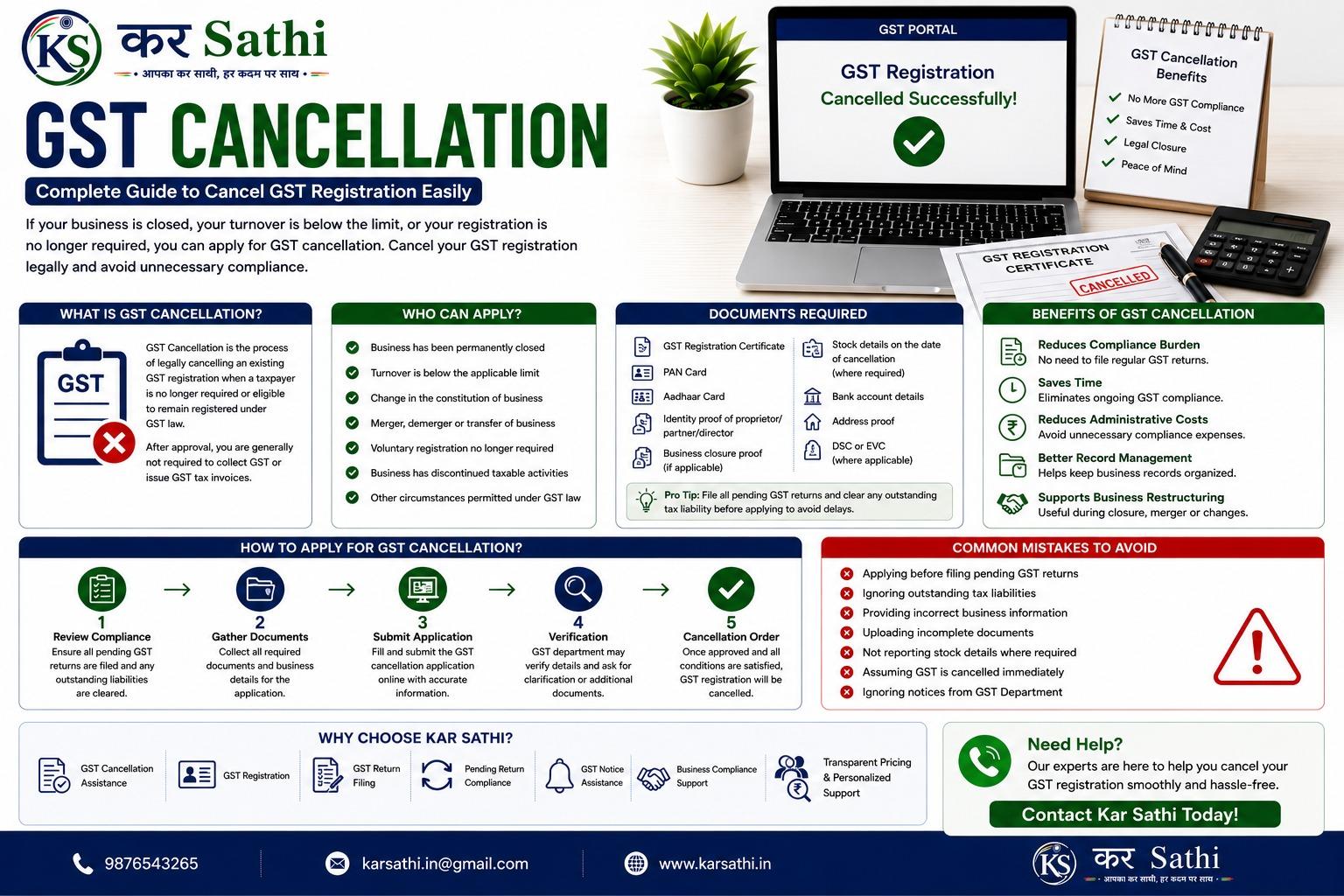
This guide explains what GST cancellation is, who can apply, the documents required, the cancellation process, and the mistakes you should avoid.
What is GST Cancellation?
GST Cancellation is the process of legally cancelling an existing GST registration when a taxpayer is no longer required or eligible to remain registered under the Goods and Services Tax (GST) law.
Once the registration is cancelled and the process is completed in accordance with the applicable provisions, the business is generally no longer required to collect GST or issue GST tax invoices for taxable supplies.