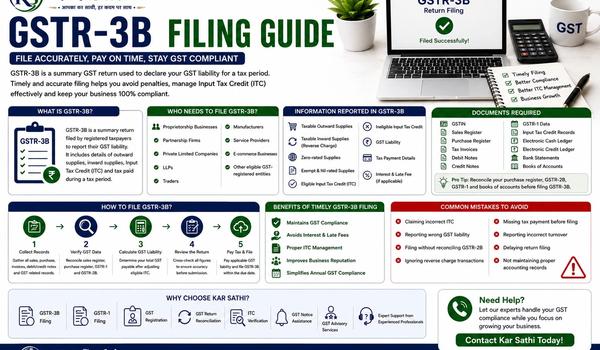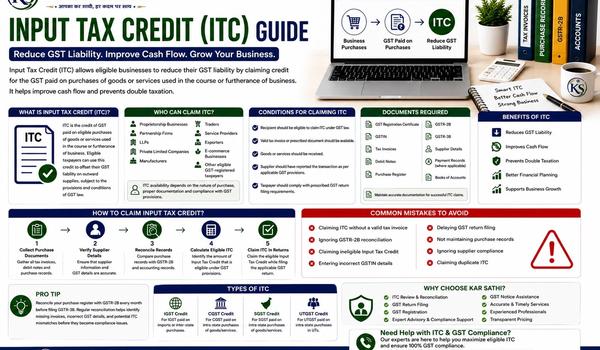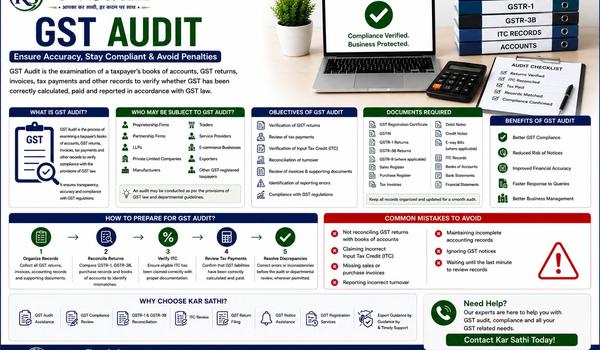
Transporting goods is an essential part of running a business, but it also comes with compliance requirements under the Goods and Services Tax (GST) law. One of the most important requirements is generating an E-Way Bill before the movement of goods in specified cases.
Many businesses face delays, penalties, or unnecessary complications simply because they are unaware of when an E-Way Bill is required or how it should be generated. Understanding the E-Way Bill system helps businesses transport goods smoothly while remaining compliant with GST regulations.
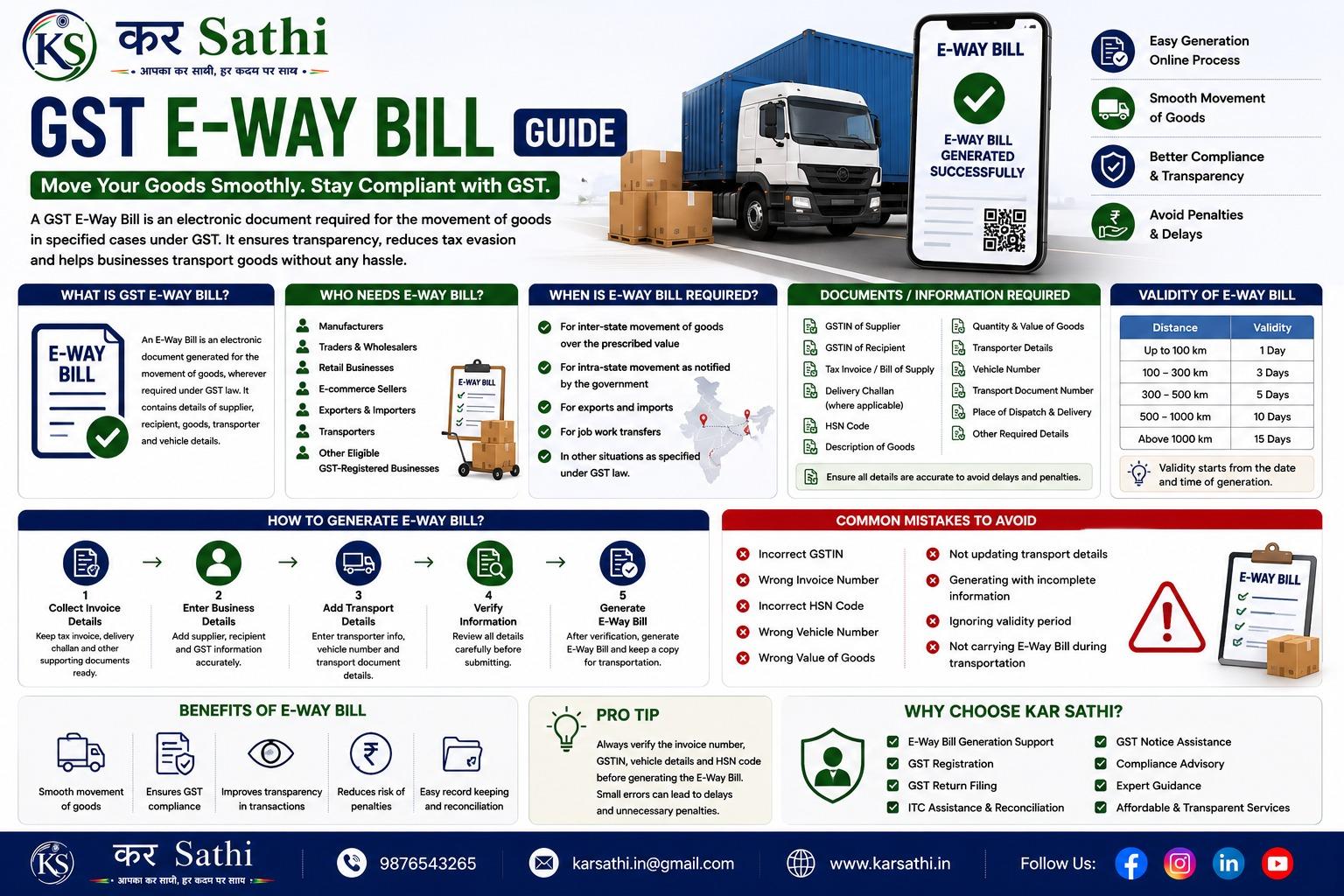
This guide explains what a GST E-Way Bill is, who needs it, the required documents, the generation process, its benefits, and common mistakes to avoid.
What is a GST E-Way Bill?
A GST E-Way Bill is an electronic document generated for the movement of goods, wherever required under the GST law. It contains details of the supplier, recipient, transporter, and the goods being transported.
The E-Way Bill system helps ensure transparency in the movement of goods and supports better GST compliance.