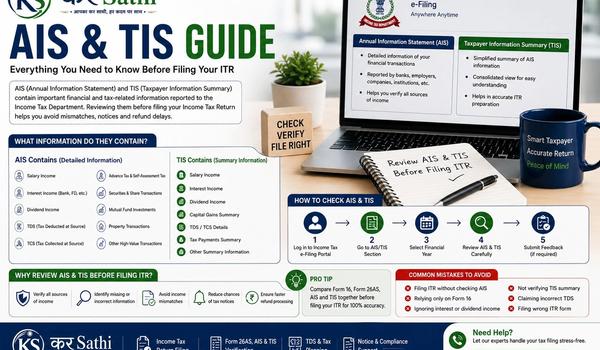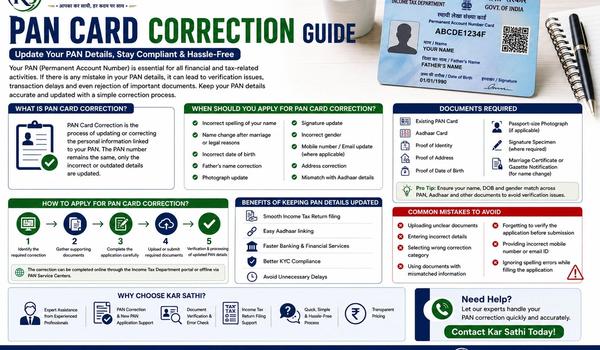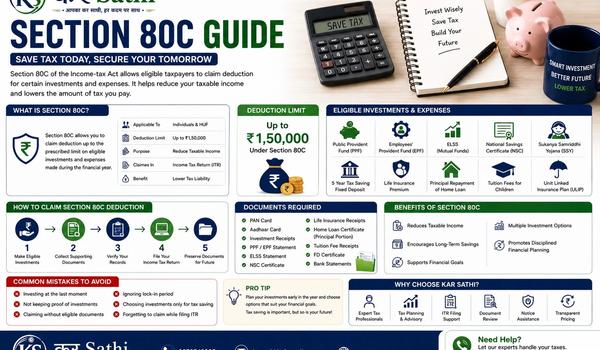
Buying health insurance is one of the smartest financial decisions you can make. It protects you and your family from unexpected medical expenses while also offering valuable tax benefits. However, many taxpayers either don't know about these benefits or fail to claim them while filing their Income Tax Return (ITR).
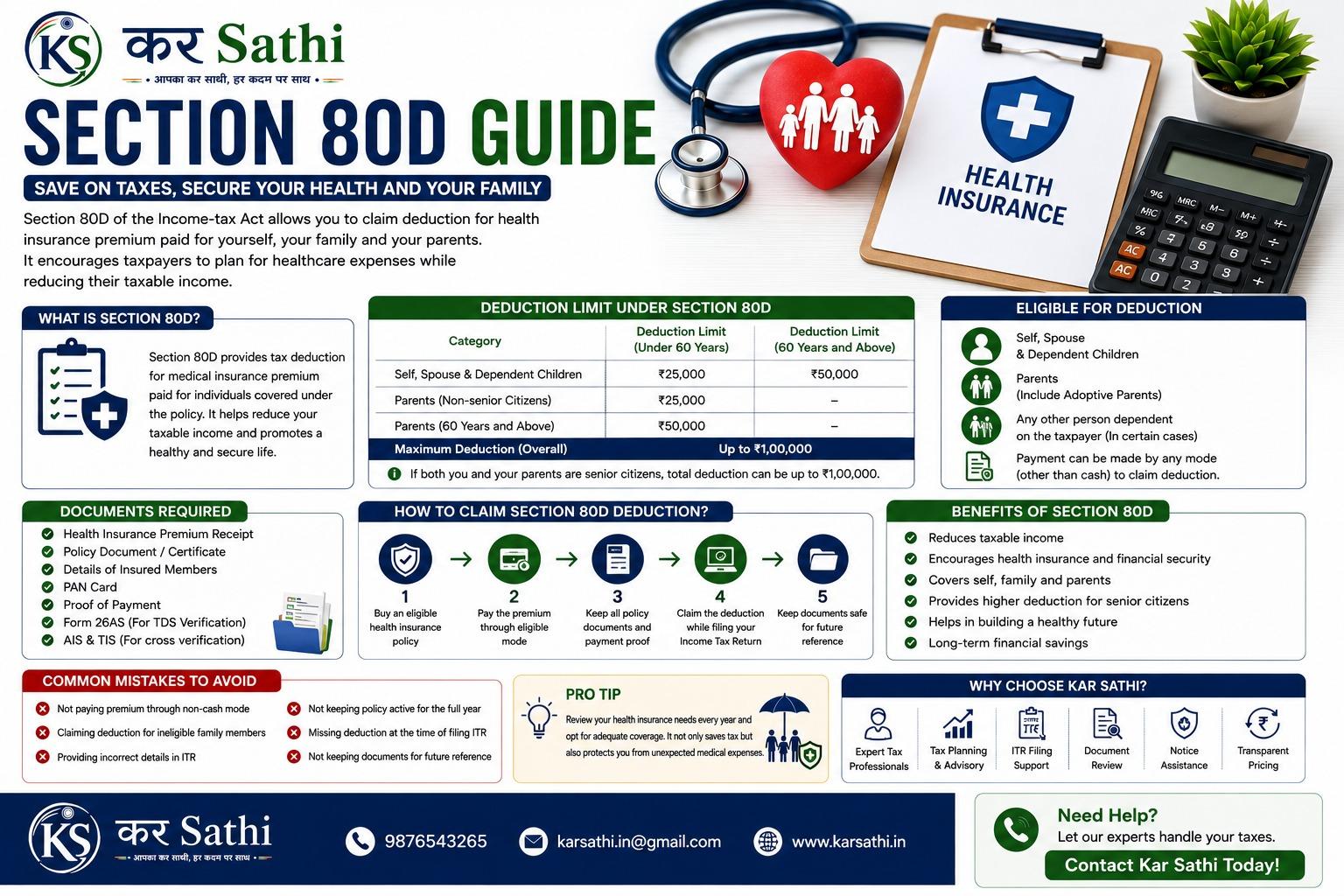
One of the most useful tax-saving provisions related to health insurance is Section 80D of the Income-tax Act. If you pay health insurance premiums for yourself, your family, or your parents, you may be eligible to claim a deduction, subject to the applicable provisions of the law.
This guide explains everything you need to know about Section 80D, including eligibility, deduction limits, required documents, the claim process, and common mistakes to avoid.
What is Section 80D?
Section 80D is a provision under the Income-tax Act that allows eligible taxpayers to claim a deduction for health insurance premiums paid during the financial year. The deduction helps reduce your taxable income while encouraging individuals and families to invest in health insurance.
The benefit is available for premiums paid for yourself, your spouse, dependent children, and eligible parents, subject to the prescribed conditions.